 80314388

Are You Ready for Total Knee Replacement? A Physical and Mental Preparation Guide
Summary:
- Total knee replacement is a significant procedure, and how well you prepare beforehand directly affects how smoothly you recover.
- Physical preparation includes pre-surgery exercises, nutrition, and stopping certain medications, all guided by your surgeon.
- Mental and practical preparation, managing anxiety, setting up your home, and building a support system, is just as important and often overlooked.
Deciding to go ahead with total knee replacement surgery is one thing. Being genuinely ready for it is another.
Patients who prepare well before surgery consistently have smoother recoveries. Not because the operation is different, but because their body and their environment are already set up for healing. Here is what that preparation looks like across every dimension that matters.
What your surgeon looks for before giving the green light
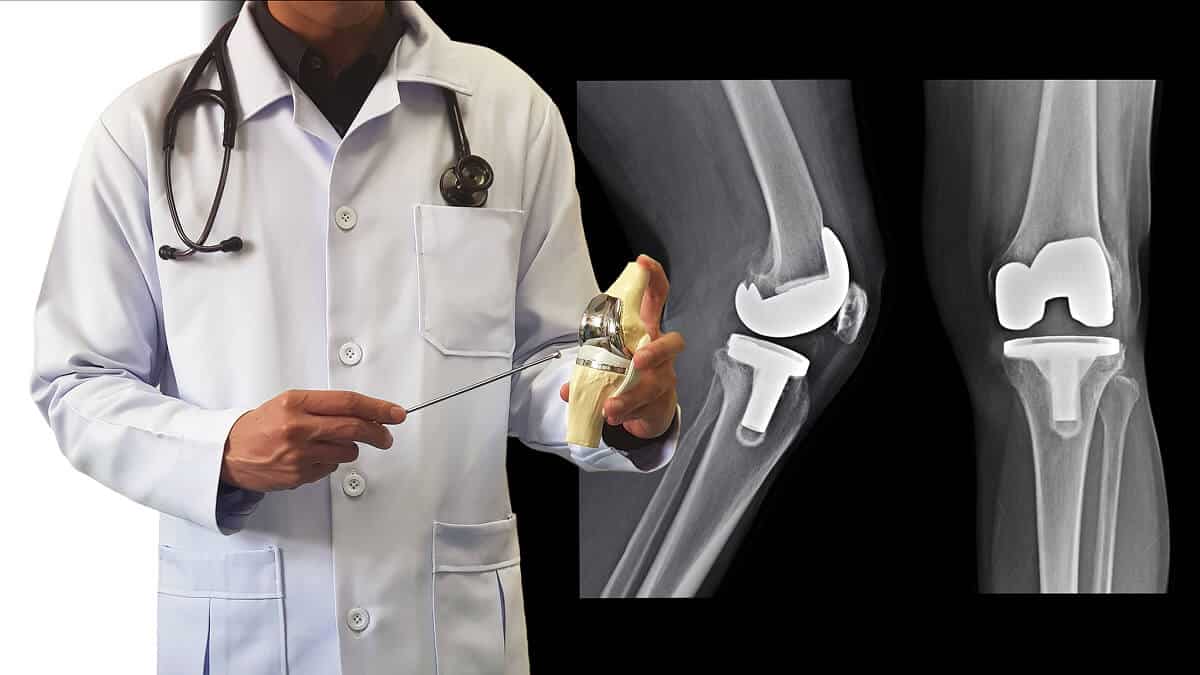
Before scheduling your total knee replacement procedure in Singapore, your orthopaedic specialist will carry out a preoperative assessment. This typically includes blood tests, an ECG, and X-rays to confirm the extent of joint damage and ensure you are medically fit for surgery.
Your surgeon will also review your current medications. Blood thinners, certain anti-inflammatory drugs, and some supplements need to be stopped before surgery to reduce bleeding risk. Do not adjust any medications without explicit guidance from your surgeon.
If you smoke, stopping as early as possible before your procedure significantly reduces the risk of wound healing complications and infection.
Getting your body ready
The stronger your knee muscles going into surgery, the better your starting point for recovery. Even with significant arthritis, there are usually exercises you can do in the weeks before your operation to improve muscle strength around the knee, hip, and core without aggravating pain.
Your specialist or physiotherapist can advise on what is appropriate for your current level of function. The goal is not to push through pain but to maintain as much muscle mass as possible before the procedure.
Nutrition also matters. Good protein intake in the weeks before surgery supports tissue repair after the operation. If you are overweight, even modest weight reduction reduces stress on the new joint and lowers anaesthetic risk.
Also Read: Before & After Total Knee Replacement
The mental side nobody talks about
Anxiety before major surgery is completely normal, and total knee replacement is a significant procedure. What is less commonly discussed is how much your mental state going into surgery affects your recovery.
Patients who feel informed, supported, and prepared tend to manage post-operative pain better, engage more actively in recovery, and report better outcomes at the six-month mark. Those who go into surgery feeling anxious and uninformed often struggle more in the early weeks.
A few practical things that help: ask your surgeon every question you have before the day of surgery, not during it. Understand what the first 48 hours will feel like, what pain levels are normal, and what the warning signs of complications are. Knowing what to expect removes a significant source of anxiety.
If you have a history of anxiety or depression, let your surgical team know. Managing these proactively before surgery is far better than dealing with them during recovery.
Essential questions to ask your surgeon
Before your total knee replacement procedure in Singapore, make sure you have clear answers to:
- What type of implant will be used, and why is it right for me?
- Will this be a traditional or robotic-assisted procedure?
- How long will I be in the hospital, and what does day one after surgery look like?
- When can I bear full weight, drive, and return to daily activities?
- What are the realistic risks specific to my case?
- What does the physiotherapy programme look like and how long does it run?
Setting up your home
Your knee will have significant limitations in the first few weeks after surgery. Preparing your home before you go in makes an enormous difference.
Move frequently used items to within easy reach so you are not stretching or bending unnecessarily. Arrange for a bed on the ground floor if your bedroom is upstairs. Install grab rails in the bathroom. Remove loose rugs and cables that could cause a fall. Prepare meals and freeze them in advance.
You will also need someone with you for the first week at minimum, both for practical support and for monitoring how you are progressing.
What happens on the day of surgery
You will be admitted a few hours before your scheduled total knee replacement time. Anaesthesia will be administered; most procedures use spinal anaesthesia so you remain comfortable throughout without being fully unconscious, though general anaesthesia is also used depending on your case.
The procedure itself takes around one to two hours. You will be moved to a recovery area afterwards, where pain and vital signs are monitored. Most patients begin standing with assistance within 24 hours of surgery.
When to consult an orthopaedic specialist in Singapore
If you are living with significant knee pain that limits what you can do day to day and conservative treatments have not provided adequate relief, it may be time to discuss whether total knee replacement surgery is appropriate for your situation.
At Spire Orthopaedic Centre, our specialists take the time to walk you through every stage of the process, from whether surgery is right for you, through preparation, the procedure itself, and recovery. Nothing about this process should feel unclear.
Book a consultation today to discuss your options.
Our Doctors

Dr. Chee Kin Ghee
Dr Chee is a hand surgeon in Singapore with over 20 years of experience in hand and orthopaedic surgery.
He is currently practising at Gleneagles Hospital and was a visiting consultant at Tan Tock Seng Hospital to train the residents towards their specialisation in hand surgery.

Dr. Ambrose Yung
Dr Ambrose Yung Wai Yin is an experienced Specialist Orthopaedic Consultant with 20 years of experience in the field of orthopaedics. His area of interest extends includes complex operations such as revision knee arthroplasty, partial knee replacement and primary total knee replacement.
View More
Dr. Low Mun Hon
Dr Low Mun Hon has over 20 years of experience managing trauma and orthopaedic clinical care.
Prior to this, he has been in private practice as a practitioner at Singapore Sports & Orthopaedic Clinic (SSOC).

Justin Lim Xuan Li Physiotherapist
Justin is a skilled and experienced physiotherapist who specializes in the treatment of neuro-musculoskeletal conditions - nerve, muscle and joint problems.
View More
Chan Jing Cheng (JC) Physiotherapist
JC has over 12 years of experience in treating Chronic pain, Orthopaedic and Geriatric conditions. He had worked at various Private Hospitals, Singapore General Hospital, NTUC Health Elder Care and Lions Home for the Elders.
View More
Joanna Lim Hand Occupational Therapy
Joanna obtained her Diploma in Occupational Therapy (Merit) from Nanyang Polytechnic in 2006. Under the MOH Health Science Scholarship, she graduated from La Trobe University, Australia, with a Bachelor’s degree in Occupational Therapy (1st class Honours) the following year. Upon graduation, she worked in Changi General Hospital and Sengkang General Hospital.
View More