8 Tips for Sleeping After Rotator Cuff Surgery
- Sleeping semi-upright or on your back may reduce shoulder discomfort.
- Pillows and your prescribed sling can support your arm during recovery.
- Follow your surgeon’s instructions on medication, ice therapy and sleeping positions.
- Sleep generally improves over time, but worsening symptoms may warrant medical attention.
If you’ve recently undergone torn rotator cuff surgery in Singapore, these eight tips can help you manage your bedtime routine.
1. Sleep Semi-Upright in the Early Weeks
Lying flat may feel uncomfortable shortly after surgery. Try resting in a recliner or using firm pillows to elevate your upper body, if your surgeon permits. Keep your shoulder supported without straining the operated arm.
2. Sleep on Your Back
Sleeping on your back may help reduce pressure around your shoulder while you recover. If your surgeon permits this position, place pillows beside your body to help prevent rolling over. Take care when getting into or out of bed.
3. Use Pillows to Support the Operated Arm
Your arm may become uncomfortable if it hangs unsupported during sleep. Place a pillow beneath your forearm and elbow, following your surgeon’s instructions. Avoid positions that stretch or strain the repaired tendon.
4. Avoid Lying on the Operated Shoulder
You may need to avoid side sleeping while the repaired tendon heals. Ask your surgeon when you can safely return to sleeping on your operated side. If you prefer lying on your unaffected side, check whether this is permitted during your recovery.
5. Wear Your Sling as Instructed
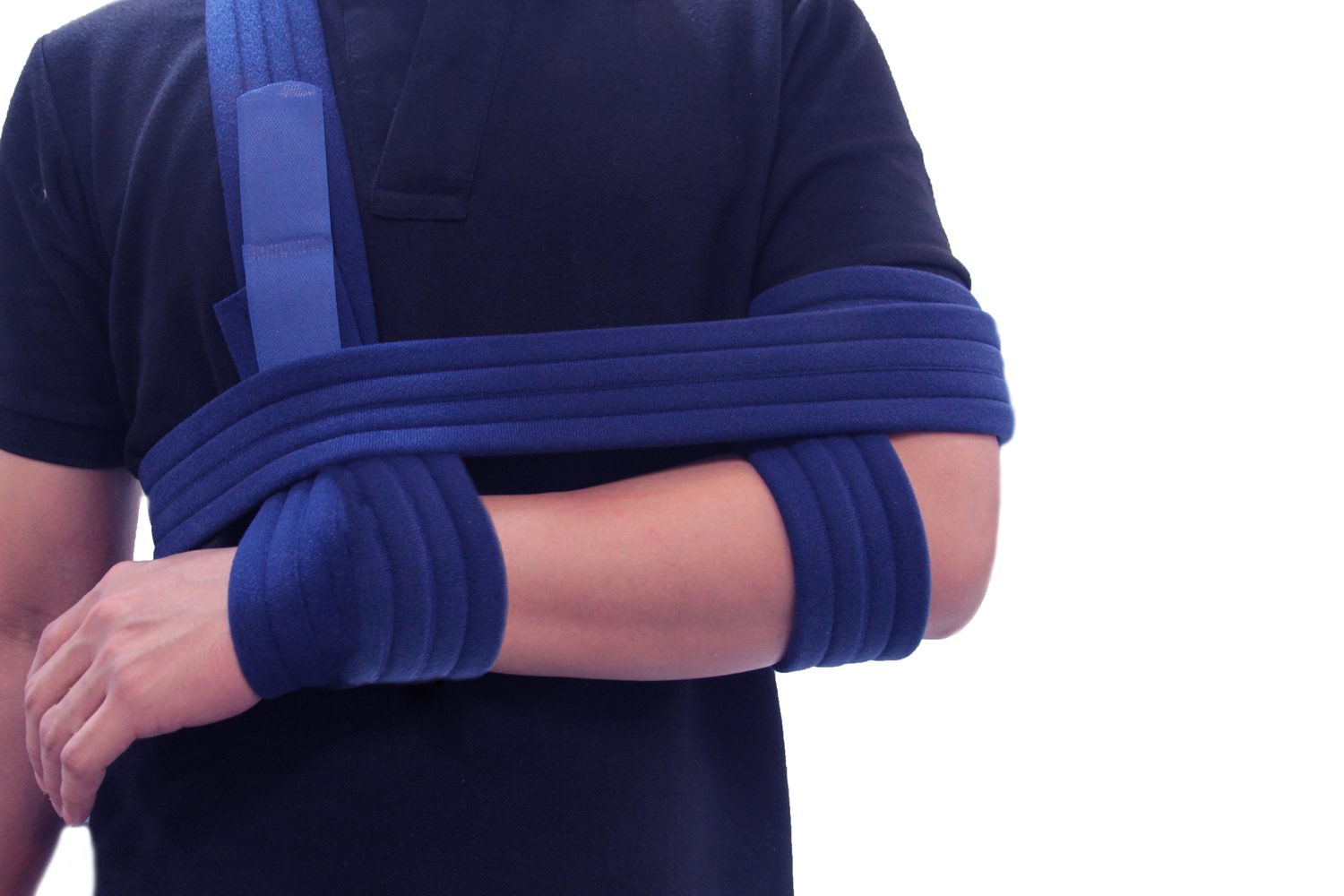
A sling helps protect your shoulder by limiting movement while the tendon heals. You may need to wear a sling for several weeks after surgery. Follow your surgeon’s instructions, including whether to wear it while sleeping.
6. Time Your Pain Medication Around Bedtime
Shoulder pain may become more noticeable when you settle down to sleep. Take your prescribed medication as directed. You can ask your doctor whether your dosing schedule can accommodate bedtime, but do not increase doses or combine painkillers without medical advice.
7. Use Ice Therapy if Your Surgeon Recommends It
Cold therapy may help reduce pain and swelling after rotator cuff surgery, although its effectiveness varies. If recommended, apply a wrapped cold pack for the advised duration. Avoid direct skin contact, keep surgical dressings dry and never fall asleep with an ice pack in place.
8. Create a Comfortable Environment
Preparing your bedroom can reduce unnecessary movement during the night.
Before bedtime:
- Keep water, medication and your phone within reach.
- Arrange pillows before settling down.
- Maintain a cool, quiet sleeping environment.
- Keep pathways clear for nighttime bathroom visits.
How Long Do Sleep Difficulties Last?
Sleep often improves as pain settles and shoulder movement gradually returns.
Sleep quality may improve within the first few months after rotator cuff surgery, although some patients may take longer to sleep comfortably.
Your surgeon can advise when you can return to your preferred sleeping position.
When Should You Contact a Doctor About Nighttime Pain?
Some postoperative discomfort is expected, but worsening symptoms should be checked.
Contact your surgical team if you experience:
- Increasing pain despite prescribed medication
- Fever, wound redness or unusual discharge
- New numbness or worsening swelling
- Difficulty moving your fingers
Seek emergency care for chest pain, breathing difficulties or a suddenly cold, pale hand.
Get Advice on Rotator Cuff Recovery in Singapore
Your recovery plan should reflect the type of repair performed and how your shoulder is healing.
At Spire Orthopaedic Centre, our specialists can review your postoperative symptoms, assess your progress and advise on rehabilitation. We also provide torn rotator cuff treatment for patients in Singapore who need further assessment or care.