 80314388

How to Treat Lower Back Pain for Lasting Relief?
TL;DR
- You should see a doctor if your lower back pain lasts beyond a few weeks, worsens, or causes leg weakness.
- Non-surgical treatments such as physiotherapy, exercise, and ergonomic adjustments can usually improve lower back pain.
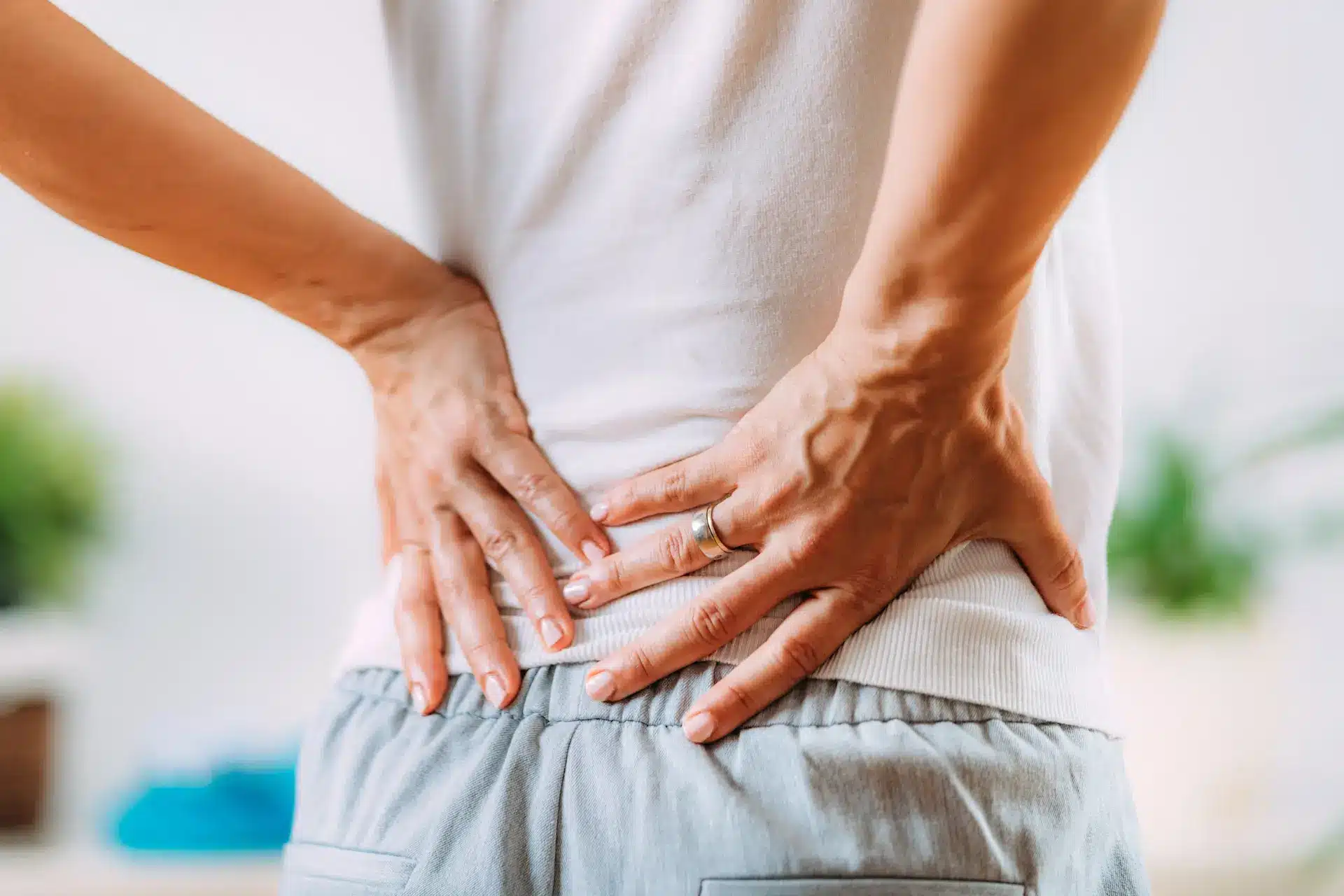
Lower back pain can show up in many ways — a dull ache after a long day, a sudden twinge when you bend, or stiffness that lingers in the morning. Because the causes vary widely, from muscle strain to disc irritation, the right treatment depends on understanding what’s happening beneath the discomfort.
If you’re starting to feel persistent tightness or pain, exploring lower back pain treatments in Singapore early can help prevent symptoms from worsening.
Common Causes of Lower Back Pain for Singaporeans
Before you look at treatment options, it’s important to know what’s causing your lower back pain in the first place.
Muscle Strain, Poor Posture, and Daily Habits
Muscles and ligaments can become irritated when they’re stretched or loaded beyond what they’re used to. You may feel pain after lifting something heavier than normal or after sitting for long hours with limited back support. Stiffness first thing in the morning or after inactivity is also common.
Herniated Discs & Degenerative Spine Conditions
Spinal discs cushion the bones in your back. Over time, they may wear down (degeneration) or move out of place (herniation). You may then experience sharp pain that travels down your legs, along with tingling or weakness.
Lifestyle, Family and Work Factors
You’re more likely to experience lower back pain if you:
- Sit or stand without movement for long periods.
- Perform frequent bending or lifting at work.
- Do not exercise regularly.
- Carry extra body weight.
- Have a family history of spinal degeneration.
When to Seek a Doctor for Lower Back Pain Treatment
Warning Signs and Diagnosis
Lower back pain usually improves within two to six weeks. When it doesn’t — or if new symptoms appear — watch for the red flags below:
- Pain lasting beyond two to six weeks.
- Numbness, tingling, or weakness in either leg.
- Pain that interrupts sleep.
- Difficulty walking or bearing weight.
- Bladder or bowel control changes.
- Pain after a fall or accident.
If you recognise any of these issues, a medical evaluation can help determine what’s driving your symptoms. At Spire Orthopaedic Centre, our doctors will assess your movement, strength, and nerve function. We may also order imaging, such as X-rays or MRI scans, to check for disc irritation or nerve compression.
If your lower back pain persists or interferes with your daily activities, book a medical assessment at Spire Ortho for a diagnosis and treatment plan.
Non-Surgical Lower Back Pain Treatments
Physiotherapy, Exercise, and Pain Management
Spire Ortho offers Sports Medical Care and Rehabilitation services. A physiotherapist can guide exercises that support your lower back, improve core strength, and help you build confidence with movement..
Medications and Pain Management
Anti-inflammatory medication may reduce discomfort linked to muscle strain. When nerve irritation is involved, other medicines may help reduce radiating symptoms such as tingling or shooting pain. Our doctors will advise you on safe use based on your condition.
Lifestyle Changes and Ergonomic Support
Lower back pain often improves when you make small, consistent adjustments to how you sit, stand, and move during the day. You may benefit from:
- Setting up a supportive workstation with proper chair height and monitor positioning.
- Taking regular breaks to walk or stretch, especially during long desk sessions.
- Managing body weight to reduce excess load on the lower spine.
- Incorporating gentle strengthening exercises to build back and core support.
These changes may feel simple, but they can meaningfully reduce ongoing stress on the spine.
Treatment Options for Chronic or Severe Pain
If your lower back pain doesn’t improve with non-surgical care, more targeted treatments may be considered.
Minimally Invasive and Surgical Solutions
For some disc or nerve-related conditions, we provide Elective Orthopaedic and Reconstructive Services, including minimally invasive options when clinically appropriate. These treatments aim to relieve pressure on nerves or stabilise the spine. Suitability depends on imaging results, specific symptoms, and your overall health.
Post-Treatment Care and Recovery Expectations
After a procedure, rehabilitation plays an important part in how well you recover. You’ll gradually rebuild strength, flexibility, and confidence in movement.
Find Safe and Effective Back Pain Relief in Singapore
If ongoing lower back pain makes daily movement difficult or stops you from staying active, a professional evaluation can help you understand what’s contributing to your symptoms and how to treat them.
Spire Ortho offers coordinated care, spanning assessment, physiotherapy, and surgery when required. Book an appointment to discuss a custom treatment plan for managing and improving your lower back pain.
Consultation
Spire Orthopaedic Physiotherapy & Rehab Centre
Spire Orthopaedic Centre @ Royal Square
101 Irrawaddy Road, #18-03
Royal Square Medical Centre, Novena
Singapore 329565
Tel: (65) 6970 4468
Mobile: (65) 8031 4388
Email: admin@spireortho.com.sg
SPIRE HIP & KNEE CENTRE
Spire Orthopaedic Centre @ Gleneagles Medical Centre
6 Napier Road #08-04
Singapore 258499
Tel: (65) 6970 6628
Mobile: (65) 8317 7388
Email: gmc@spireortho.com.sg
SPIRE HAND CENTRE
Spire Hand Centre @ Mount Elizabeth Medical Centre
3 Mount Elizabeth #15-14
Singapore 228510
Mobile: (65) 9657 2268
Email: meoh@spireortho.com.sg