
Why Your Ingrown Toenail Keeps Coming Back and How To Fix It
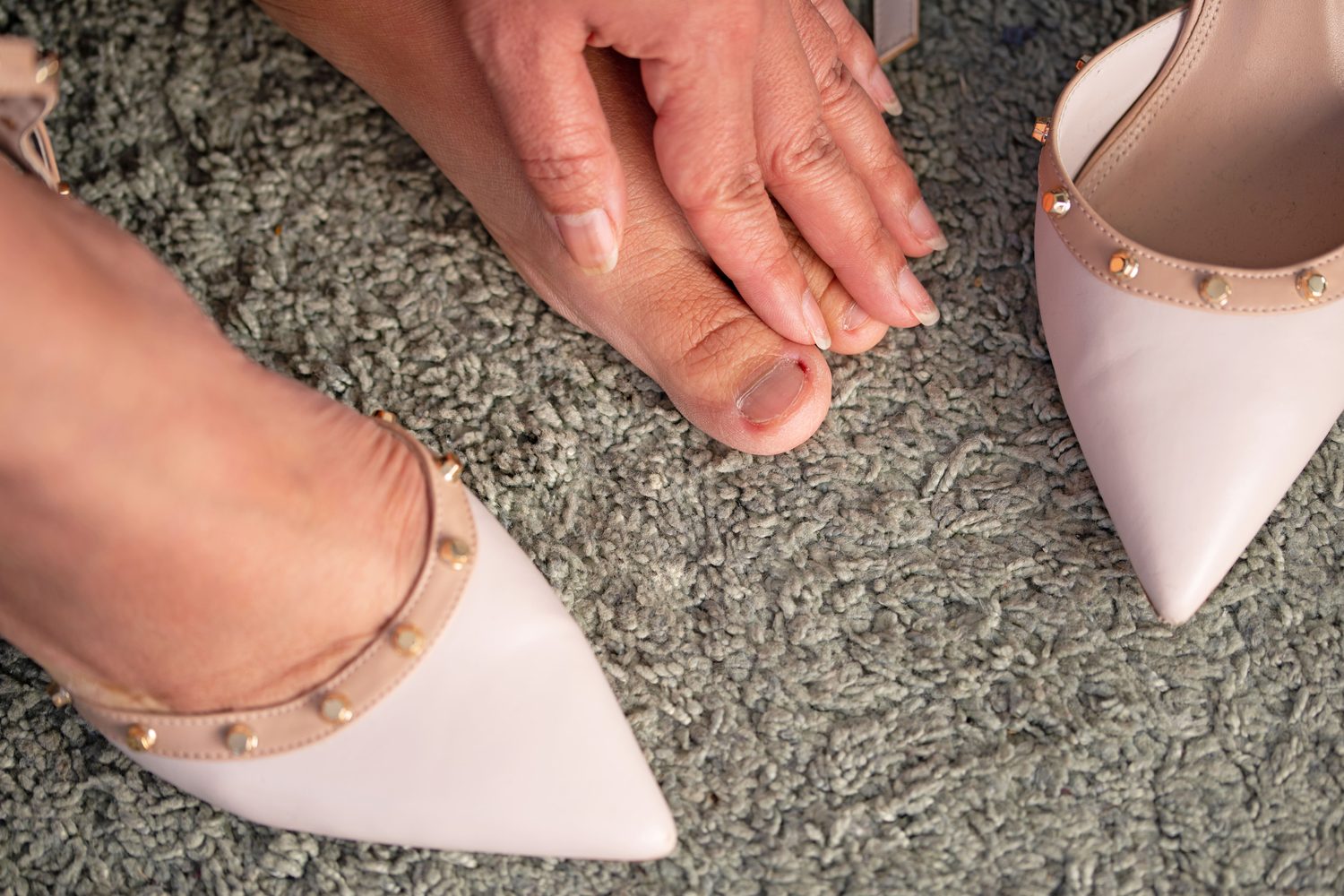
- Your nail shape, trimming habits and footwear may contribute to your ingrown toenails.
- Treatment may ease pain, but does not prevent the nail edge from growing into the skin again.
- Your doctor may recommend treating part of the nail matrix if the same edge repeatedly becomes ingrown.
When this happens repeatedly, temporary relief may not be enough, and you may want to look into permanent ingrown toenail removal for a long-term solution.
In this article, we cover why ingrown toenails may recur, permanent removal options, and what to expect during recovery.
What May Cause Recurring Ingrown Toenails?
An ingrown toenail develops when the nail edge presses into or grows into the surrounding skin. Several factors may contribute, such as:
- Improper trimming: Cutting nails too short or rounding the corners.
- Tight footwear: Shoes that squeeze your toes and press against the nail.
- Natural nail shape: Curved or wide nails that are more prone to ingrowing.
- Repeated injury: Trauma from sports or other activities that affects nail growth.
What Happens When an Ingrown Toenail Returns?
As the nail edge irritates the surrounding skin, inflammation may worsen over time. You may notice:
- Pain or tenderness along the affected edge
- Redness or swelling around the nail
- Bleeding, discharge or pus
- Discomfort when walking or wearing shoes
Early on, the skin may become sensitive to touch. As irritation continues, swelling can make the nail edge harder to see, and the surrounding tissue may become more painful.
Repeated inflammation may also cause excess tissue to develop beside the nail. If you notice signs of infection, seek medical advice rather than trying to dig out the embedded edge yourself.
Why Previous Treatment May Not Have Worked
Some ingrown toenail treatments relieve discomfort without addressing why the nail repeatedly grows into the surrounding skin.
Soaking your toe, changing footwear or carefully lifting the nail edge may help in mild cases. However, symptoms may return as the nail grows or pressure on the toe continues.
Antibiotics may be needed for certain infections, but they do not prevent your nail from becoming ingrown again.
When Is Permanent Ingrown Toenail Removal Considered?
If your ingrown toenail continues to cause pain or inflammation despite previous treatment, your doctor may recommend a procedure to reduce the risk of recurrence. This does not necessarily involve removing the entire toenail.
Your doctor may also assess whether the nail matrix, the tissue at the base of your nail responsible for nail growth, also needs treatment.
Partial Nail Removal
This minor surgical procedure involves removing the section of the nail that has grown into the surrounding skin. However, the nail edge may regrow if the underlying nail matrix remains intact.
Partial Nail Matrix Removal or Treatment
If the problem keeps recurring, your doctor may recommend surgically removing or treating part of the nail matrix, using methods such as a chemical solution to stop the affected section from producing new nail.
Treating the nail matrix aims to prevent the same nail edge from growing back into the skin, reducing the risk of another ingrown toenail.
What Can You Expect After Permanent Ingrown Toenail Removal?
Recovery depends on the procedure performed, your general health and how the wound heals. Healing may take several weeks, particularly after nail matrix treatment.
You may experience temporary discomfort, swelling or drainage. Your doctor will explain how to care for the wound and when to resume your usual activities.
You may be advised to:
- Keep the dressing clean and follow wound-care instructions
- Wear comfortable footwear that avoids pressure on the toe
- Limit activities that cause pain during early healing
- Attend follow-up appointments as recommended
The type of procedure you undergo may affect how much discomfort you experience and how long healing takes. Contact your doctor if pain or redness worsens, you notice increasing discharge or pus, or you develop a fever.
Dealing With a Recurring Ingrown Toenail? Speak to a Specialist
If your toenail continues to cause discomfort, the next step is to see a specialist.
At Spire Orthopaedic Centre in Singapore, our specialists will thoroughly examine your ingrown toenail and recommend appropriate treatment based on your symptoms and treatment history.