
Could a Broken Wrist in Seniors Be a Sign of Weak Bones?
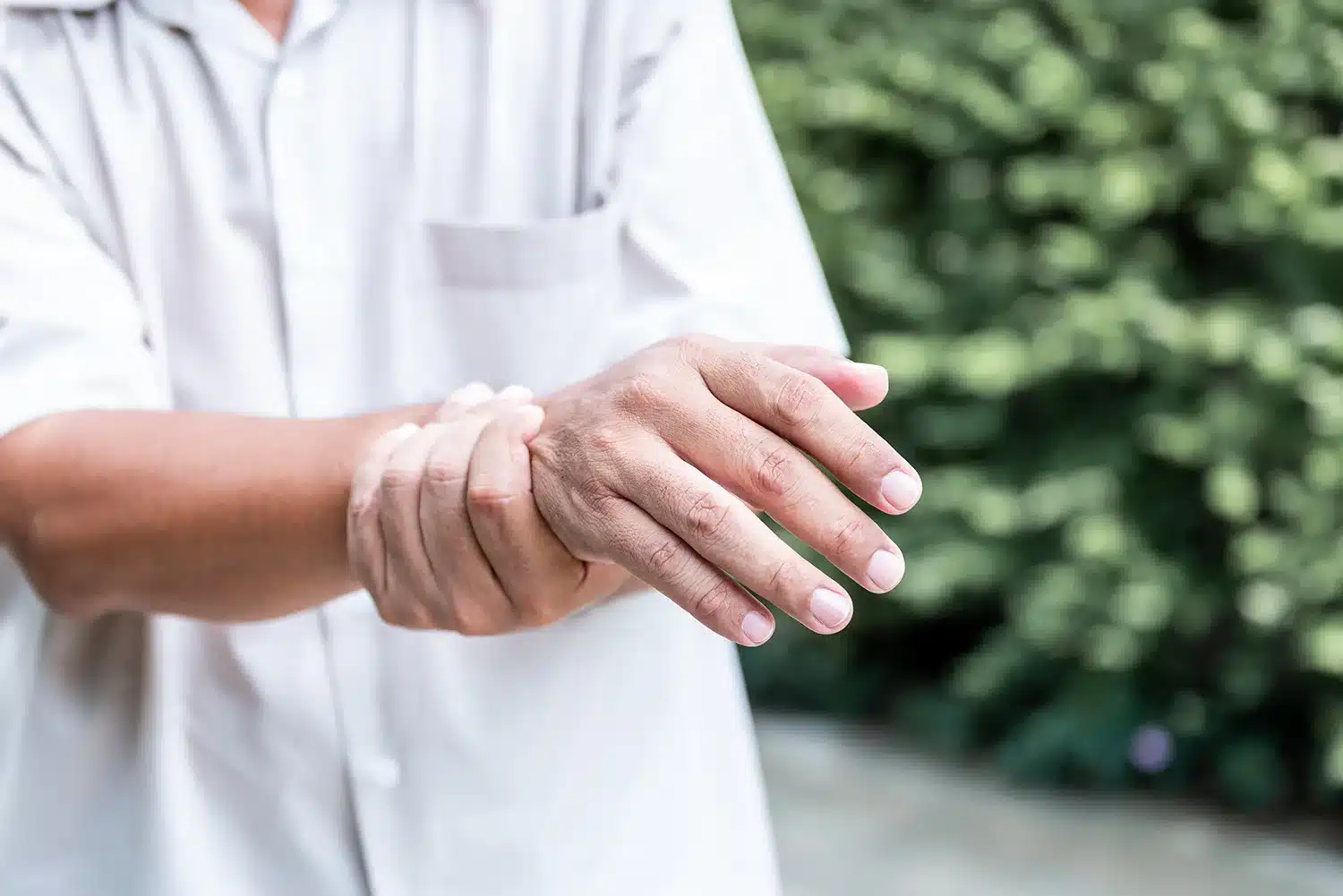
Summary:
- A broken wrist after a minor fall may indicate weakened bones, particularly in older adults.
- A wrist fracture does not always mean you have osteoporosis.
- Some wrist fractures can be treated with a cast, while others may require surgery.
- Checking your bone health can help identify risks that need further attention.
A broken wrist after a minor fall may just seem like an unfortunate accident. But for older adults, it can sometimes point to an underlying bone health concern.
If you have sustained a wrist fracture, understanding why it happened can be just as important as treating the injury.
Learn when a broken wrist may indicate weakened bones, what treatment involves and when to consult a broken wrist specialist in Singapore.
Why Can a Simple Fall Cause a Wrist Fracture in Older Adults?
A wrist fracture is simply another term for a broken wrist. Falling onto an outstretched hand is a common cause of this injury, as the impact can break the radius, one of the forearm bones near your wrist.
As you get older, your bones can become thinner and weaker, making them more likely to break. This means even a simple fall, such as slipping while walking, can increase your risk of a wrist fracture.
When Could a Broken Wrist Be a Sign of Weak Bones?
If you break your wrist after a minor fall, your orthopaedic specialist may check for osteoporosis.
This condition causes bones to become less dense and more likely to break. A fracture caused by a relatively minor impact is sometimes called a fragility fracture.
Not every broken wrist means you have osteoporosis. Healthy bones can also break, particularly after a forceful fall or accident. Your age, medical history and how the injury happened help determine whether further checks are needed.
What Other Signs Could Point to Weak Bones?
Osteoporosis often develops without noticeable symptoms until a bone breaks. Possible signs include losing height over time or developing a stooped posture.
Other risk factors include:
- Previous fractures after minor falls
- A family history of osteoporosis or hip fractures
- Long-term use of certain medications, such as corticosteroids
How Is a Broken Wrist Treated in Older Adults?
Treatment for a wrist fracture in Singapore depends on the type of break, whether the bones have shifted and your overall health.
Your doctor will examine your wrist and usually arrange an X-ray to see how the bones are positioned.
When Is a Cast Enough?
If the broken bones are stable or can be moved back into position, a splint or cast may be enough to support your wrist while it heals.
You may also need exercises or physiotherapy afterwards to regain movement and strength.
When Might Surgery Be Needed?
Surgery may be considered if the fracture is unstable, the broken bones are badly displaced or the break extends into the wrist joint.
However, surgery is not always needed in older adults. Both casting and surgery can be suitable, depending on the fracture and your individual circumstances.
If you have a wrist fracture, we can assess the injury and explain whether a cast or surgery may be suitable. Book a consultation at Spire Orthopaedic Centre today.
Why Does Bone Health Follow-Up Matter After a Wrist Fracture?
A wrist fracture following a minor fall can sometimes indicate a higher risk of future fractures, including those affecting the hip or spine.
Checking for osteoporosis can help your doctor identify whether you need treatment to strengthen your bones and reduce the likelihood of another injury.
Your doctor may arrange a bone density scan, known as a DXA scan, to measure your bone density.
The results, together with your medical history and other risk factors, can help determine whether medication or changes to your diet and activity levels are needed.
How Can You Reduce Your Risk of Another Wrist Fracture?
You can take practical steps to support your bones and lower your risk of falling:
- Stay active: Include suitable weight-bearing and muscle-strengthening exercises.
- Get enough calcium and vitamin D: These nutrients help maintain bone health.
- Make your home safer: Remove loose rugs, improve lighting and wear supportive footwear.
- Attend follow-up appointments: Keep up with recommended bone health checks and prescribed treatment.
Get Specialist Treatment for a Broken Wrist in Singapore
For older adults, recovering from a broken wrist involves more than allowing the bone to heal. It is also important to consider whether weakened bones contributed to the injury and how to support a safe recovery.
At Spire Orthopaedic Centre, our broken wrist specialist in Singapore can assess your wrist fracture, discuss suitable treatment options, and advise whether further bone health checks are needed.