 80314388

Hand Fracture? Here’s What to Do Next
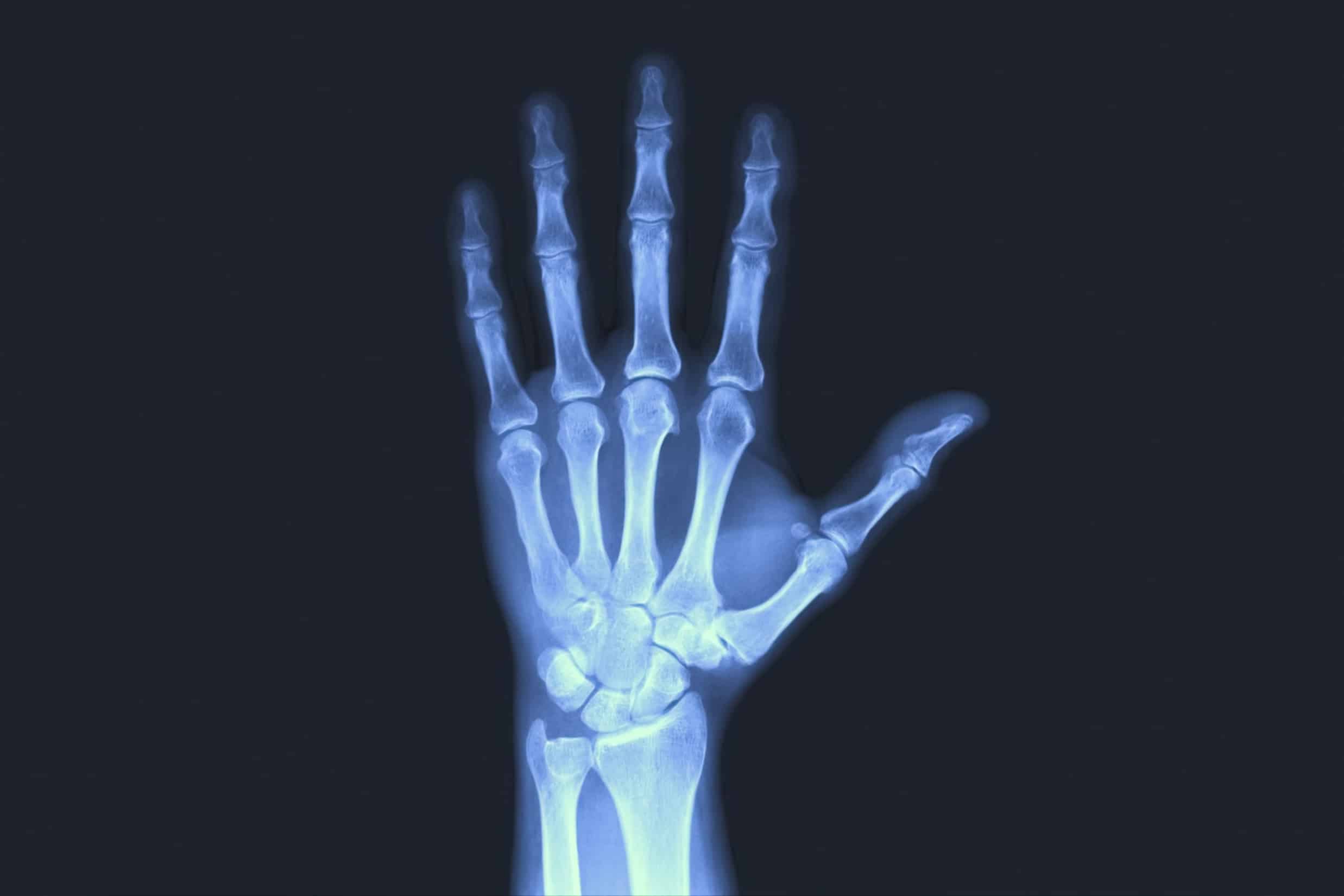
A hand fracture can happen suddenly; from a fall, sports injury, or even a workplace accident. It’s painful, inconvenient, and often alarming. But with the right care and attention, most hand fractures heal well, and full function can be restored.
If you’ve just hurt your hand and suspect it might be broken, this guide walks you
through exactly what to do, from the moment of injury to the road to recovery.
Recognising the Signs of a Hand Fracture
Hand fractures aren’t always dramatic. While some involve obvious deformity, others may be less clear. The key is to know what signs to look for:
- Sharp, sudden pain immediately after the injury
- Swelling or bruising around the hand or fingers
- Difficulty moving your fingers or gripping objects
- Numbness or tingling, indicating possible nerve involvement
- Visible deformity, such as fingers pointing in the wrong direction
Even if the pain seems manageable, don’t assume it’s a simple sprain. A fracture that’s not properly treated can lead to long-term stiffness, weakness, or arthritis.
First Steps After Injury
If you suspect a hand fracture, follow these immediate steps:
- Immobilise the hand – Avoid moving the injured area. Use a soft splint, rolled towel, or cloth to stabilise the hand until medical help is available gently.
- Apply ice – Cover an ice pack in a towel and place it on the swollen area for 15–20 minutes at a time. This helps reduce pain and inflammation.
- Elevate the hand – Keep it above heart level to reduce swelling.
- Avoid using the hand – Don’t try to “test” the movement. Using a fractured hand can worsen the injury.
- Take pain relief if needed – Over-the-counter medications like paracetamol or ibuprofen may help until you get professional care.
When to See a Doctor
If you notice any of the symptoms below, seek medical attention as soon as possible:
- Obvious deformity or misalignment in the fingers or hand
- Inability to move fingers or wrist
- Severe swelling, bruising, or numbness
- Persistent or worsening pain
Head to your nearest accident & emergency department or orthopaedic clinic. An X-ray is usually required to confirm a fracture and assess its severity. Early diagnosis ensures the bone heals correctly and helps prevent long-term damage to joints, tendons, or nerves.
Diagnosis and Treatment Options
At your medical visit, the doctor will examine your hand, ask about how the injury occurred, and order imaging, usually an X-ray. Sometimes, a CT scan or MRI may be needed for complex or subtle fractures.
Common Treatment Options:
- Splinting or casting – Most fractures can be treated with a custom splint or cast to keep the bone stable while it heals.
- Surgery – For more severe fractures (e.g., displaced, unstable, or involving joints), surgical intervention may be necessary. This may include pins, plates, or screws to align and secure the bone.
- Medication – You may be prescribed painkillers or anti-inflammatory medication to ease discomfort and promote healing.
Your doctor will recommend the ideal treatment plan based on the severity of the fracture.
Healing a Fractured Hand: What to Expect
Healing times vary, but most hand fractures take 6 to 8 weeks to mend. During this period:
- You’ll have limited use of your hand. Avoid lifting, gripping, or bearing weight on the injured side.
- Every day tasks may need adjusting – Buttoning a shirt, typing, or cooking can be challenging. Consider using your non-dominant hand or asking for help.
- Watch for signs of complications, such as worsening pain, numbness, or a cast that feels too tight or loose. Let your doctor know if anything feels off.
- Follow up appointments are essential to monitor healing and adjust your treatment plan if needed.
Proper rest and patience are key during this phase.
Physical Therapy and Recovery
Once the broken bone has fused, your doctor may recommend hand therapy to restore strength, flexibility, and coordination. A physiotherapist or hand specialist can guide you through exercises to:
- Improve the range of motion in your fingers and wrist
- Rebuild grip strength
- Prevent stiffness and scar tissue formation
Rehabilitation can take a few weeks or months, depending on the complexity of the fracture and how well your hand responds to therapy.
Returning to regular activities, especially sports or physical work, should be done gradually and under your doctor’s guidance.
Preventing Future Hand Injuries
While accidents happen, you can reduce your risk of reinjury with these measures:
- Wear protective gear during contact sports or manual work
- Be mindful of falls, especially for older adults
- Use proper techniques when lifting, pushing, or gripping objects
- Strengthen your hands and wrists with regular exercises if you’re prone to injury
Taking care of your hands helps preserve mobility and independence throughout life.
Hand Fracture Treatment in Singapore
A hand fracture can disrupt your routine, but with timely treatment, a full recovery is possible. At Spire Orthopaedic, we offer comprehensive diagnostic services and tailored treatment plans to guide your recovery.
We take a patient-first approach, ensuring you’re cared for at every stage of the healing journey. If you’ve recently injured your hand or are experiencing lingering pain or stiffness, book a consultation with us today.