 80314388

When Is Surgery Needed for a Torn Rotator Cuff?
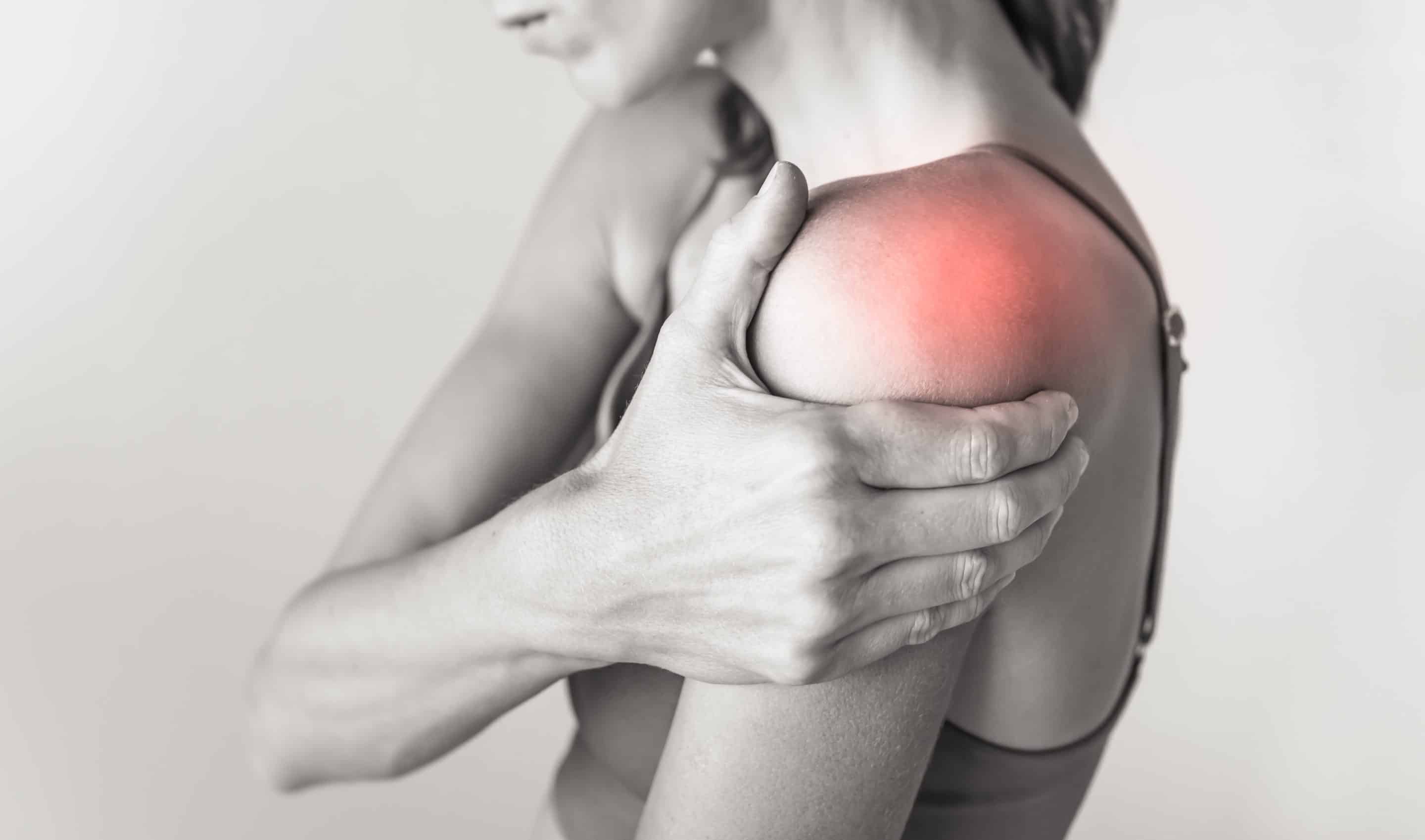
- A torn rotator cuff can cause persistent pain, weakness, and difficulty lifting your arm.
- You should consider surgery when physiotherapy and rest no longer improve shoulder function.
- Full-thickness or large tears often need surgical repair to restore tendon attachment.
Shoulder pain can make simple tasks — like fastening a seat belt, lifting a mug, reaching for a shelf — feel unexpectedly difficult. A torn rotator cuff might be the reason. Most tears heal with rest and physiotherapy, but some cases require surgery in Singapore to restore strength and function.
How do you know when you’ve reached that point? Read on to find out.
Understanding Rotator Cuff Injuries
What Is the Rotator Cuff?
The rotator cuff is a group of four muscles and tendons that keep your upper arm bone centred in the shoulder socket. These tissues give you the ability to lift and rotate your arm. Because the shoulder moves so widely, the tendon system handles a lot of strain and may weaken or tear with time or injury.
Common Causes and Symptoms
Rotator cuff injuries typically develop in two ways:
- Gradual Wear: Repetitive overhead motions or age-related tendon thinning.
- Sudden Trauma: A fall, a heavy lift, or a forceful twist.
Here’s how you can tell when you’ve torn your rotator cuff:
- Pain when you lift or reach, especially overhead
- Weakness or difficulty rotating the arm
- Pain on the affected side while you’re sleeping
- Clicking or catching when you move
Persistent symptoms deserve attention because untreated torn rotator cuffs may enlarge over time and eventually require surgery. Speak to a doctor at Spire Orthopaedic Centre Singapore for a treatment plan.
What Diagnostic Procedures Are Used to Confirm a Rotator Cuff Tear?
If your symptoms suggest a rotator cuff injury, your doctor will assess the strength and mobility of your shoulder and which movements trigger pain. Imaging tests then help identify whether the tendon is strained or fully torn.
Common diagnostic tools include:
- X-ray to evaluate bone structure and rule out arthritis or fractures.
- Ultrasound to check how the tendon moves and detect partial or full tears.
- MRI to assess tear size, tendon quality, and whether nearby structures are involved.
Once you’ve received a diagnosis, your doctor will recommend physiotherapy and activity adjustments as the first course of treatment.
When Is Surgery Recommended?
Persistent Pain Despite Conservative Care
If several months of physiotherapy and medication have not relieved pain, especially if sleep is affected, surgical repair may support a better outcome.
Large or Full-Thickness Tears
A full-thickness tear means the tendon has detached completely from the bone and cannot heal on its own. Early repair helps prevent retraction and muscle weakening.
Impact on Daily Activities or Sports
When your shoulder cannot support the necessary movement at work or in sport, restoring tendon strength and control through surgery may be necessary.
What to Expect from Surgery
Torn rotator cuff surgery aims to restore the tendon to where it belongs, support healing, and give you the chance to rebuild strength gradually and safely.
Procedure Overview
Spire Ortho offers a range of rotator cuff repair procedures, using minimally invasive methods, tailored to tear size and shoulder demands.
- Arthroscopic Rotator Cuff Repair: Small incisions, a tiny camera, and specialised instruments allow the surgeon to reattach the tendon securely to the bone. This is the most common approach.
- Mini-Open or Open Repair: Used when tears are large or complex and need direct access for a reliable repair.
- Debridement or Acromioplasty (Subacromial Decompression): If the tendon is irritated or pinched by bony edges, smoothing the underside of the acromion creates more space and reduces friction going forward.
We’ll explain which option aligns with your goals, whether preserving shoulder strength for sport or regaining dependable movement for daily tasks.
Think you need torn rotator cuff surgery? Book an appointment at Spire Ortho today.
Recovery and Rehabilitation
After the procedure, you’ll need to go through a recovery and rehabilitation process, which typically involves you:
- Wear a sling for several weeks to protect the tendon.
- Begin guided physiotherapy early to prevent stiffness.
- Progress gradually from passive motion to active strengthening.
- Return to heavier activities or sports only when the tendon is strong enough.
Next Steps for Shoulder Health
Everyone uses their shoulder differently — whether it’s for training, work, or daily routines. Your recovery plan should reflect that.
A tailored discussion with a specialist helps you choose the approach that aligns with how you need your shoulder to perform.
Choose Spire Ortho to Support Your Recovery Journey
Our doctors at Spire Ortho will take the time to understand your lifestyle and performance needs before recommending treatment. Schedule an appointment today for a plan that suits your lifestyle.
Consultation
Spire Orthopaedic Physiotherapy & Rehab Centre
Spire Orthopaedic Centre @ Royal Square
101 Irrawaddy Road, #18-03
Royal Square Medical Centre, Novena
Singapore 329565
Tel: (65) 6970 4468
Mobile: (65) 8031 4388
Email: admin@spireortho.com.sg
SPIRE HIP & KNEE CENTRE
Spire Orthopaedic Centre @ Gleneagles Medical Centre
6 Napier Road #08-04
Singapore 258499
Tel: (65) 6970 6628
Mobile: (65) 8317 7388
Email: gmc@spireortho.com.sg
SPIRE HAND CENTRE
Spire Hand Centre @ Mount Elizabeth Medical Centre
3 Mount Elizabeth #15-14
Singapore 228510
Mobile: (65) 9657 2268
Email: meoh@spireortho.com.sg