
Can an X-Ray Miss a Hip Fracture?
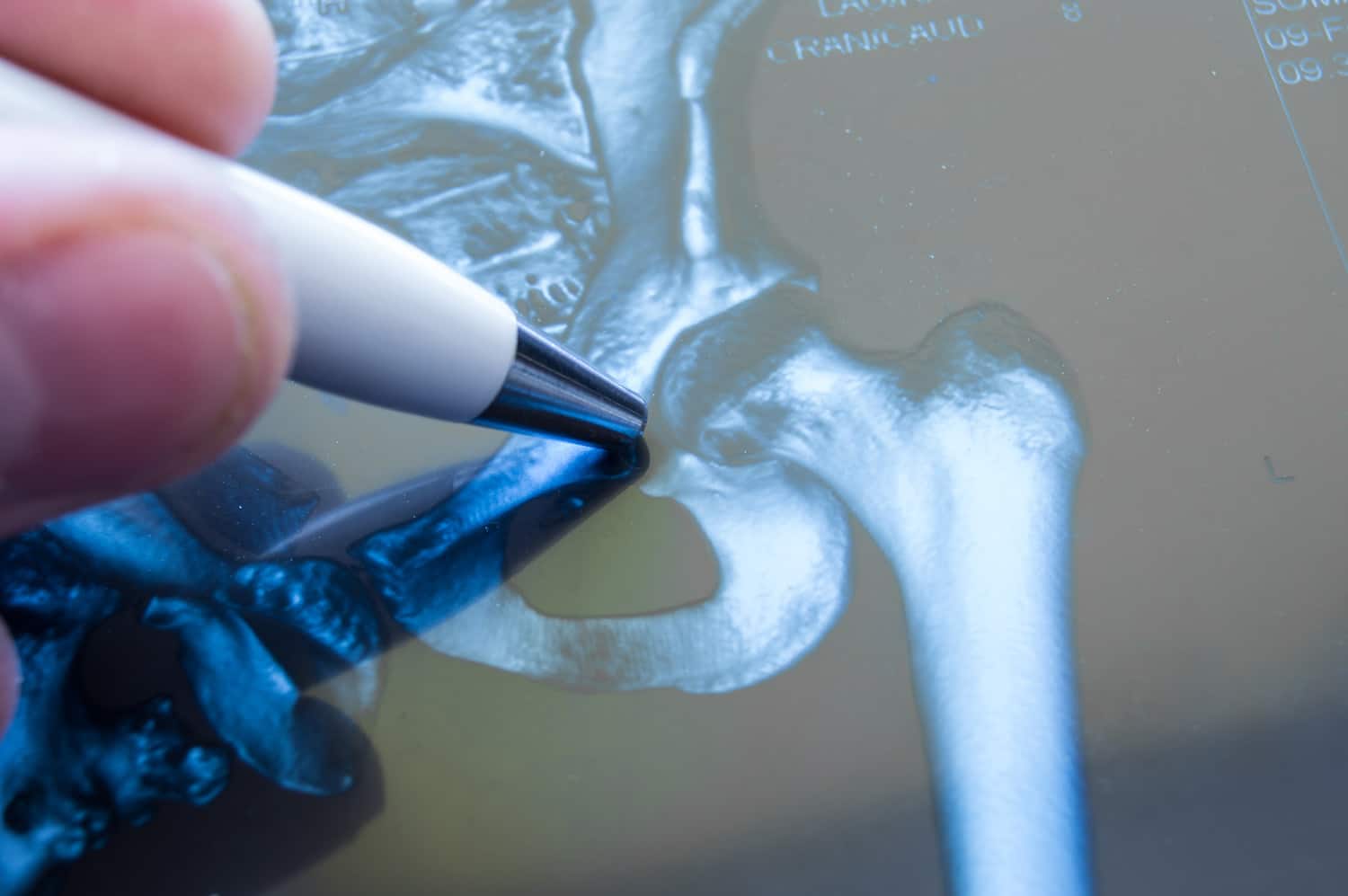
Summary:
- A normal X-ray may not always rule out a hip fracture, particularly an occult fracture that may be invisible on the initial scan.
- If you continue to experience hip or groin pain after a fall, you may need further investigation.
- Your specialist may recommend an MRI or CT scan to check for a hidden fracture.
You have had a fall, and your hip still hurts, but your X-ray shows no signs of a fracture. Does this mean you can safely return to your usual activities?
Not necessarily. Persistent hip pain may require further investigation, even when the initial X-ray appears normal.
This article explains why fractures may be missed, which symptoms to watch for and when to seek hip fracture treatment in Singapore.
Why Are Some Hip Fractures Missed on an X-Ray?
Orthopaedic specialists usually use X-rays to check for hip fractures, but some can be difficult to detect, particularly if the bones have not shifted out of place. The fracture’s location and image quality can also affect how clearly it appears.
If your specialist still suspects a fracture despite a normal X-ray, further imaging may be needed.
What Is an Occult Hip Fracture?
An occult hip fracture is a break in the hip that is not clearly visible on an initial X-ray, even when symptoms suggest a fracture.
Although the fracture may be hidden on the image, it can still cause pain and affect your ability to walk.
These injuries are particularly concerning in older adults, whose bones may be weakened by osteoporosis.
What Are the Signs of a Hip Fracture Even With a Normal X-Ray?
A hip fracture may still cause noticeable symptoms even when the initial X-ray appears normal. The pain may develop immediately after a fall or become more noticeable when you try to move.
Signs to watch for include:
- Persistent hip, groin or upper thigh pain: Discomfort may continue at rest or worsen when you move.
- Pain when moving or turning your hip: Activities such as getting out of bed, sitting down or changing position may become uncomfortable.
- Difficulty standing or walking: You may limp, struggle to put weight on the affected leg or need support to move around.
Some people with an undisplaced fracture may still be able to walk, so being mobile does not completely rule out a broken hip. Symptoms can also vary depending on the fracture’s location and severity.
Seek emergency care if you experience severe pain, cannot bear weight or notice an obvious change in your leg’s position after a fall. Avoid walking on the injured leg until you have been medically assessed.
What Further Scans Can Detect a Hidden Hip Fracture?
If your specialist still suspects a hip fracture, they may recommend further imaging:
- Magnetic Resonance Imaging (MRI): Generally preferred when a hip fracture is suspected but not visible on an X-ray.
- Computed Tomography (CT): An alternative when MRI is unavailable or unsuitable, although it may miss some fractures.
Still in pain after a clear X-ray? Our specialists at Spire Orthopaedic Centre can review your symptoms and advise whether further scans are needed. Contact us to discuss your next steps.
What Else Can Cause Hip Pain After a Fall?
Hip pain after a fall does not always indicate a fracture. Other injuries or existing conditions may cause similar symptoms, including:
- Muscle strains or bruising: Soft tissue injuries can cause pain, tenderness and swelling around the hip.
- Tendon or ligament injuries: A fall may stretch or damage these tissues, causing discomfort during certain movements.
- Hip arthritis: A fall may aggravate existing arthritis, leading to increased pain and stiffness.
- Pelvic injuries: Injuries to the pelvis or surrounding structures may cause pain around the hip or groin.
Because these conditions can share symptoms with a hip fracture, your specialist will consider your medical history, symptoms and examination findings to determine whether further investigation is needed.
Why Is It Important to Detect a Hip Fracture Early?
A missed hip fracture may worsen if you continue walking or putting weight on the injured leg. In some cases, the broken bone can shift out of position, causing further pain and making treatment more complicated.
Delaying diagnosis may also prolong pain and limit mobility, particularly in older adults who may already have difficulty moving around. Early detection allows your specialist to assess the fracture’s location and stability before deciding on next steps.
The appropriate hip fracture treatment depends on the type of fracture, whether the bones have shifted and your overall health. Treatment may involve surgery or non-surgical management, depending on the findings.
Still Experiencing Hip Pain After a Normal X-Ray?
Persistent hip pain despite a normal X-ray may indicate a fracture that was missed during the initial examination.
At Spire Orthopaedic Centre, our specialists can assess your symptoms for a possible hip fracture, advise whether you need further imaging and recommend treatment based on the results.
Contact us to arrange an appointment.