 80314388

Hip Fracture Surgery Options for Seniors in Singapore

A woman experiencing radiating pain in the thighs due to sciatica.
Summary:
- Hip fractures are common among seniors, and choosing the right surgery is crucial for recovery and long-term mobility.
- Treatment typically involves either internal fixation, which stabilises the bone to allow natural healing, or hip replacement, which replaces the damaged joint with an artificial one.
- Recovery involves physiotherapy, pain management, and a gradual return to daily activities.
A hip fracture is a serious injury that often requires prompt treatment and careful recovery planning, particularly in older adults.
From hip fracture treatment options to recovery tips, this guide helps you understand what’s ahead so you can feel prepared and confident every step of the way.
Internal Fixation vs Hip Replacement
In Singapore, hip fracture treatment usually comes in one of two forms: internal fixation or hip replacement.
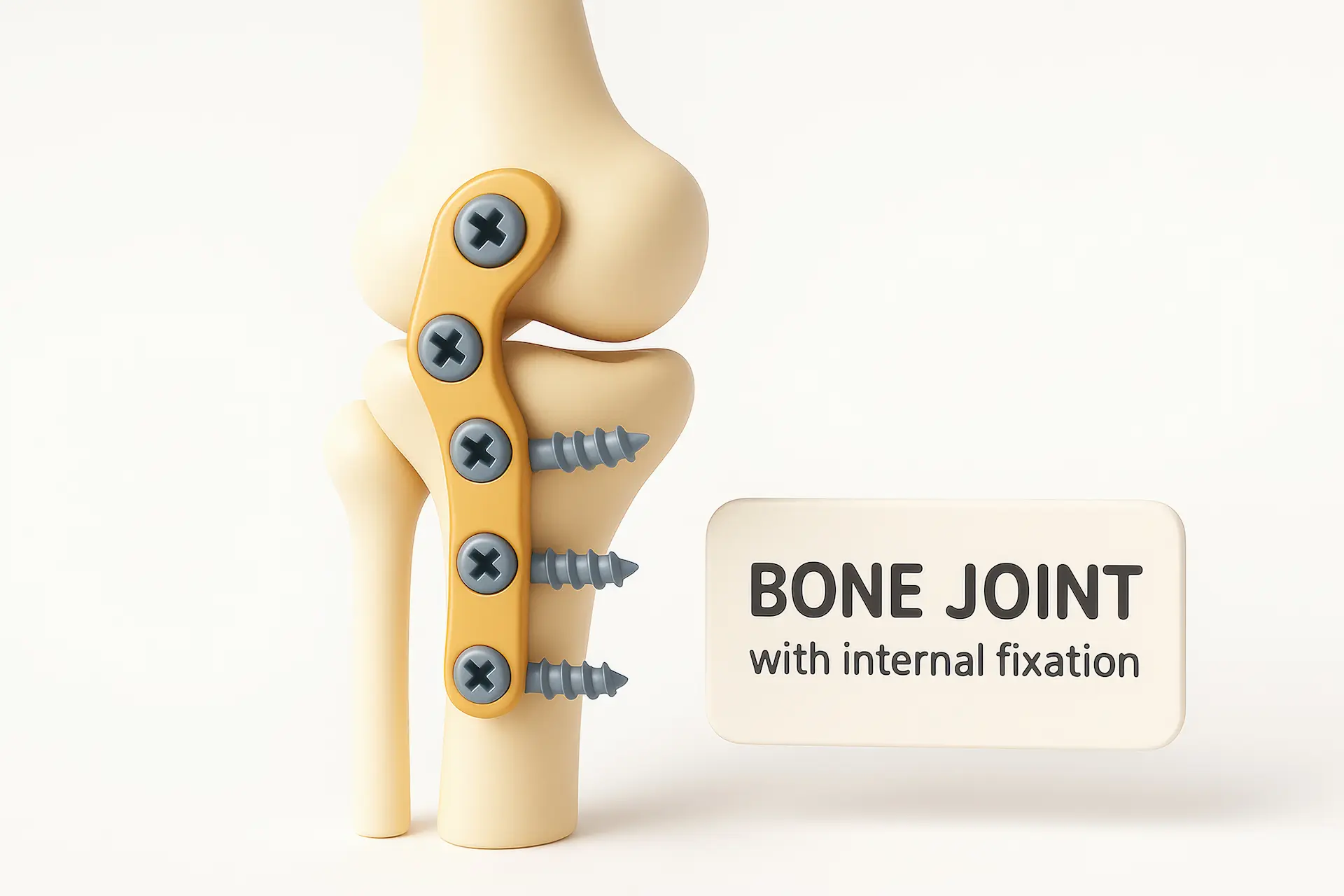
What Is Internal Fixation?
Internal fixation involves using metal screws, plates, or rods to stabilise the broken bone. The goal is to allow the bone to heal naturally while keeping it properly aligned. This approach is usually chosen for certain types of fractures where the bone is still strong enough to heal on its own.

What Is Hip Replacement?
Hip replacement means taking out the damaged part of your hip and replacing it with an artificial joint. It can be a partial or total replacement, depending on how severe the fracture is and where it’s located.
Doctors often recommend this when the fracture is serious or the bone is too weak to heal on its own.
Differences in Procedure, Recovery, and Longevity
Internal fixation is usually less invasive, and the surgery itself is quicker, but how fast you recover depends on how well your bone heals.
Hip replacement is a bigger operation, but it can give you a stronger, more stable joint and let you get back on your feet sooner.
Surgical Decision Factors for Hip Fractures
Surgery isn’t one-size-fits-all. Several factors need to be considered.
Age, Bone Quality, and Fracture Type
Younger seniors with good bone quality may benefit more from internal fixation, while older adults or those with weaker bones may be better suited for hip replacement. The type and location of the fracture also influence the choice.
Overall Health and Activity Level
Your general health, medical conditions, and activity level play a major role in deciding which procedure is right for you.
If you are relatively active and keen to return to walking and daily activities as soon as possible, hip replacement may be ideal, as it often allows for earlier weight-bearing and more predictable mobility.
If you have multiple medical conditions or were less mobile before the injury, your surgeon may recommend internal fixation, as it involves a shorter operation and places less strain on your body, while still providing stability for healing.
Risks and Potential Benefits
Every surgery carries risks, including infection, blood clots, and complications. These need to be balanced against the potential benefits of improved mobility, reduced pain, and long-term independence. See more on risks below.
Dealing with a hip fracture? At Spire Orthopaedic Centre, we can provide a medical assessment, personalised treatment, and guided rehabilitation to help you recover safely. Book a consultation today.
Recovery After Hip Fracture Surgery
Recovery is a key part of returning to normal life. Here’s what you can expect after hip fracture surgery.
Early Rehabilitation and Mobility
Physiotherapy usually begins within a day or two after hip fracture surgery. Gentle exercises and guided walking help you rebuild strength, improve circulation, and lower the risk of complications.
Getting moving early is especially important for seniors, helping you regain confidence and reduce the chance of future falls.
Pain Management and Daily Activities
Pain management is tailored to your needs and may include medications, ice therapy, or other techniques.
Your specialist will also guide you in resuming daily activities safely, from dressing to light household tasks.
Timeline for Returning to Normal Function
Recovery times can vary, but many seniors can get back to most daily activities within six to twelve weeks after surgery.
Regaining full strength and mobility may take a few more months, so sticking with your rehabilitation and keeping up with follow-up appointments is crucial.
Risks and Complications of Hip Fracture Surgery
Understanding potential complications helps you watch for warning signs and manage risks.
Infection and Blood Clots
Surgical site infections and blood clots are possible, though uncommon. Your medical team will take preventive measures and monitor you closely after surgery.
Factors That Increase Risk in Seniors
Age, existing medical conditions, and low bone density can make complications more likely. Sticking to your doctor’s advice on medication, movement, and physiotherapy can help lower these chances.
Book a Consultation with Spire Orthopaedic Today
If you are experiencing a hip injury, seek professional advice as soon as possible. With the right treatment and rehabilitation for hip fractures, you can protect your mobility for the long-term.
At Spire Orthopaedic Centre, our specialists provide thorough assessments, explain your options, and create a personalised surgery and recovery plan to help you get back on your feet. Contact us today.
Our Doctors

Dr. Chee Kin Ghee
Dr Chee is a hand surgeon in Singapore with over 20 years of experience in hand and orthopaedic surgery.
He is currently practising at Gleneagles Hospital and was a visiting consultant at Tan Tock Seng Hospital to train the residents towards their specialisation in hand surgery.

Dr. Ambrose Yung
Dr Ambrose Yung Wai Yin is an experienced Specialist Orthopaedic Consultant with 20 years of experience in the field of orthopaedics. His area of interest extends includes complex operations such as revision knee arthroplasty, partial knee replacement and primary total knee replacement.
View More
Dr. Low Mun Hon
Dr Low Mun Hon has over 20 years of experience managing trauma and orthopaedic clinical care.
Prior to this, he has been in private practice as a practitioner at Singapore Sports & Orthopaedic Clinic (SSOC).

Justin Lim Xuan Li Physiotherapist
Justin is a skilled and experienced physiotherapist who specializes in the treatment of neuro-musculoskeletal conditions - nerve, muscle and joint problems.
View More
Chan Jing Cheng (JC) Physiotherapist
JC has over 12 years of experience in treating Chronic pain, Orthopaedic and Geriatric conditions. He had worked at various Private Hospitals, Singapore General Hospital, NTUC Health Elder Care and Lions Home for the Elders.
View More
Joanna Lim Hand Occupational Therapy
Joanna obtained her Diploma in Occupational Therapy (Merit) from Nanyang Polytechnic in 2006. Under the MOH Health Science Scholarship, she graduated from La Trobe University, Australia, with a Bachelor’s degree in Occupational Therapy (1st class Honours) the following year. Upon graduation, she worked in Changi General Hospital and Sengkang General Hospital.
View More