
Trigger Finger Steroid Injection: When Is Surgery Needed?
Summary:
- Steroid injections can relieve trigger finger symptoms, but the effects may not be permanent.
- Pain, clicking or locking may return after an initially successful injection.
- Surgery may be considered if symptoms persist, repeatedly return or significantly affect hand movement.
A steroid injection can help relieve trigger finger symptoms, but the improvement may not always last. If pain, clicking or locking returns, you may need further treatment.
This guide explains what to expect after an injection and when surgical treatment may be considered for trigger finger in Singapore.
How Effective Is Steroid Injection for Trigger Finger?
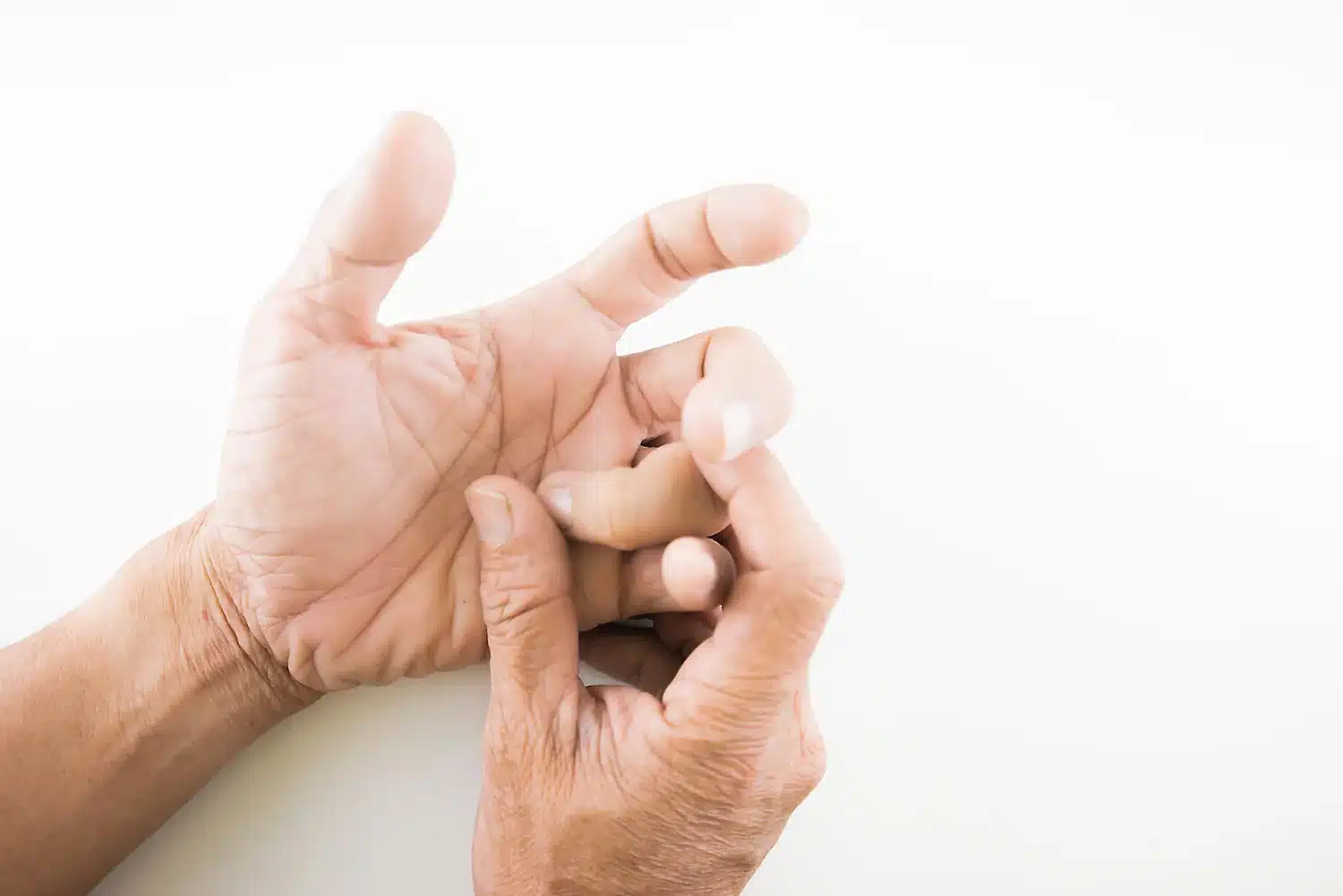
Trigger finger occurs when a tendon in your finger or thumb has difficulty moving through its surrounding tissue, causing pain, clicking or locking.
Your doctor may recommend a corticosteroid injection if rest, splinting or other non-surgical measures have not relieved your symptoms. The injection helps reduce inflammation around the affected tendon, allowing it to move more smoothly when you bend or straighten your finger.
You may notice improvement within several days, although the full effect can take longer.
For some people, one injection provides lasting relief. For others, symptoms can return over time, and you may need another injection or further treatment.
Why Might Trigger Finger Return After Injection?
A steroid injection reduces inflammation but does not release the tight tissue restricting tendon movement. If the tendon continues to catch as it moves, your symptoms may return.
Several factors can affect your response, including:
- Diabetes: Having diabetes may affect your treatment response and should be considered when planning further care.
- Symptom severity: More severe or longstanding triggering may be harder to treat.
- Multiple affected fingers: Having more than one affected finger may influence treatment outcomes.
- Individual response: The degree and duration of relief can vary between patients.
What Are the Signs That the Injection Isn’t Working?
You may experience temporary discomfort after an injection, and improvement is not always immediate.
However, arrange a follow-up appointment if you notice:
- Persistent pain or tenderness at the base of your finger
- Clicking or catching that does not improve
- Repeated locking when bending or straightening your finger
- Difficulty gripping objects or completing everyday tasks
- Symptoms returning after an initial period of relief
If your symptoms continue after an injection, our specialists at Spire Orthopaedic Centre can assess your finger movement and discuss suitable treatment options. Contact us to arrange a consultation.
When Is Surgery Considered for Trigger Finger?
Your doctor may recommend surgery if injections have not provided sufficient relief, your symptoms repeatedly return, or your finger becomes severely locked.
What Happens During Trigger Finger Surgery?
During trigger finger release surgery, your surgeon releases the tight tissue around the affected tendon, allowing it to move more freely. The procedure is commonly performed under local anaesthesia, although this depends on your condition and the surgical approach.
Is Surgery More Effective Than Steroid Injection?
As compared to steroid injections, surgery can lower the chance of symptoms returning, though you will need more time to recover.
How is the Right Trigger Finger Treatment Determined?
The appropriate trigger finger treatment depends on how much your symptoms affect your daily activities, how long you have had them, and whether previous treatments have helped.
Can You Have Another Steroid Injection?
If your first injection provided partial or temporary relief, your doctor may consider a second injection.
Another injection may help, but it is not always successful. Your doctor will consider how well you responded the first time before recommending one.
Do You Need Surgery?
If your symptoms are mild, your doctor may recommend splinting, activity changes or monitoring before considering further treatment.
An assessment can also help rule out other conditions that affect finger movement before you decide on treatment.
Speak to a Hand Specialist About Your Trigger Finger
If your symptoms persist or return after a steroid injection, it may be time to review trigger finger treatment options. You do not necessarily need surgery, but an assessment can help determine the next step.
At Spire Orthopaedic Centre in Singapore, our hand specialists can assess your symptoms, review your response to previous treatment, and discuss whether another injection or surgery may be appropriate.
Contact us to arrange a consultation.